Login Add an Article
The Pet Wiki
  • Q&A
  • Dogs
    • Dog Health
    • Dog Diseases
    • Dog Care
    • Dog Behavior
    • Dog Training
    • Dog Products
    • General Dog Articles
    • Dog Breeds
  • Cats
    • Cat Health
    • Cat Diseases
    • Cat Care
    • Cat Behavior
    • Cat Training
    • Cat Products
    • General Cat Articles
    • Cat Breeds
  • Birds
    • Bird Health
    • Bird Care
    • Bird Behavior
    • General Bird Articles
    • Bird Breeds
  • Fish
    • Fish Families
    • Fish Articles
    • Aquatic Pets
  • Rodents
    • Gerbils
    • Hamsters
    • Guinea Pigs
    • Rabbits
    • Mice
    • Rats
  • Horses
    • Horse Health
    • Horse Care
    • Horse Behavior
    • Horse Welfare
    • Horse Breeds
    • General Horse Articles
  • Reptiles
    • Lizards
    • Snakes
    • Tortoises
    • Turtles
    • Frogs
    • Toads
    • Reptile Articles
  • Exotics
    • Exotic Pet Articles
  • All Pets
    • Adoption
    • Pet Safety
    • Responsible Pet Ownership
    • Grief
    • Pet Diseases
    • Your Health
    • Education
    • Animal Welfare
    • History and Culture
    • Entertainment
  • Shop
The Pet Wiki > Horses And Ponies > Horse Health > Equine Botulism Update > 400px-Horse_Eating

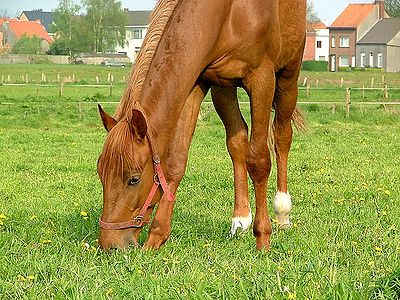
400px-Horse_Eating

September 19, 2017Rena Comments Off on 400px-Horse_Eating

Facebook Comments Box

Comments

comments

Related Articles

Cat Diseases

Addison’s Disease In Cats

July 29, 2014

While Addison’s Disease, also known as Hypoadrenocorticism is uncommon in cats, it is serious. It is brought on by insufficient amounts of cortisol and aldesterone, hormones produced by the adrenal glands. Causes of Addison’s Disease include autoimmune problems, trauma, use of steriods, infection, internal hemorrhage, cancer and more. Some symtoms mirror other diseases but can […]

Dog Health

Update on Fish Oil Supplements

June 10, 2014

May 2014 After being told the myriad benefits of fish oil for our pets (and ourselves), we are now hearing that they may not always be necessary and in some instances, not safe. Omega 3 in fish oil gives balance to omega 6 found mainly in grains and vegetable oils. If your pet eats a […]

Biology New Reptile Articles

Bearded Dragons Sleeping Open-Mouthed

February 10, 2012

The Bearded Dragon requires a body temperature of 93 – 110 degrees Fahrenheit to maintain good health. When it reaches this temperature, the dragon often opens its mouth. This activity is called basking and allows the Bearded Dragon to dissipate extra heat and enjoy basking. While open mouth breathing can be a sign of respiratory […]

Post navigation

Equine Botulism Update

Recent Posts

  • How do you give a dog (at-home) a spa day?
  • The well-being checklist that every dog owner should adhere to
  • Crucial Animal Transport & Relocation Tips to Abide By
  • Sports and Training Black German Shepherd Breed
  • Why should you opt-in for the top salmon dog food brands for your puppy?

Categories

Facebook

dog paw icon did you know?

square icon The Pet Wiki
2017 Managing Greatness | Editorial by MysteryThemes.

Register
Forgot your password?