Selenium is a trace mineral that is necessary for the way a horse functions. It acts in conjunction with Vitamin E as anti-oxidants, protecting cell membranes from destruction. However, too much or too little selenium can have adverse effects. A deficiency of selenium can cause muscle disease, impaired heart function, difficulty swallowing, respiratory distress and […]
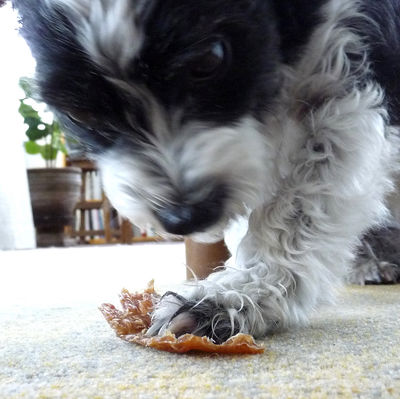
Please be aware that you may find Chicken Jerky Treats back on the shelves of stores. Yes, the same treats that sickened and killed so many of our pets. Checking labels doesn’t always work as often, commercial treats don’t have to let you know that they are imported from China. It’s easy and much safer […]
REDIRECT Cavalier King Charles Spaniel Facebook Comments Box